When I first brought my Leopard Gecko home, my main goal was to make it comfortable and happy. Establishing a routine helped my gecko settle and learn what to expect from its new environment. Choosing the right time that suits both our schedules, we spent our mornings and late afternoons together; these are ideal since Leopard Geckos are crepuscular species, most active at dawn and dusk.
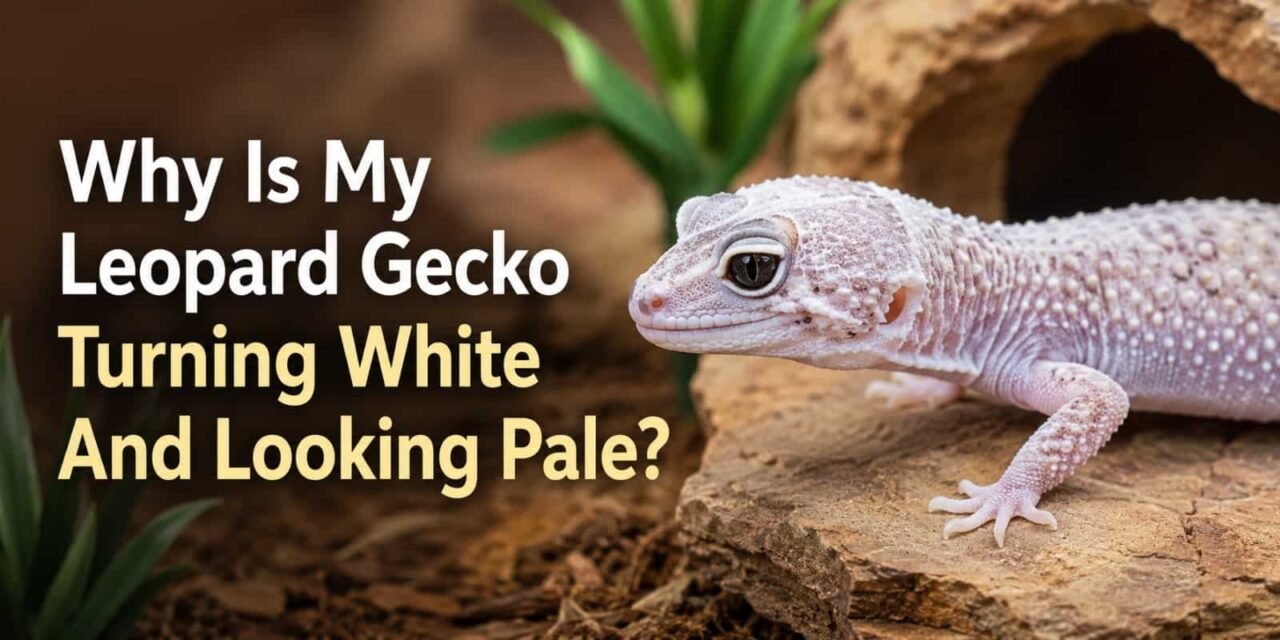
Initially, I was quite concerned when my usually colorful leopard gecko suddenly looked very ill and ghost-like. It’s a fear many gecko owners experience, but it’s actually perfectly normal. This alarming change is merely a sign that your leopard gecko is about to shed its skin, a process where they change colour. So, when you see your gecko turning white, remember, that it’s an expected part of their growth and not a cause for alarm.
Table of Contents
What Does it mean when a gecko turns white?
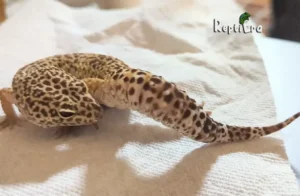
Observing your leopard gecko gradually turn white and exhibit a pale colouration can be startling. Typically, this is a sign of shedding, where the outer skin layer detaches and comes away, revealing a fresher layer beneath. As a leopard gecko owner, I’ve noticed this process is more prominent in babies, who shed their skin weekly due to their rapid growing phase, while adults may shed every three weeks.
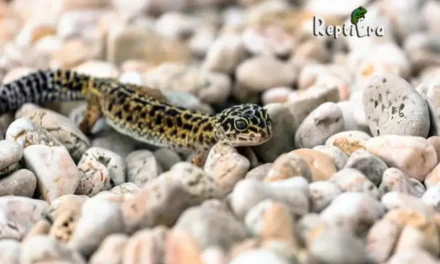
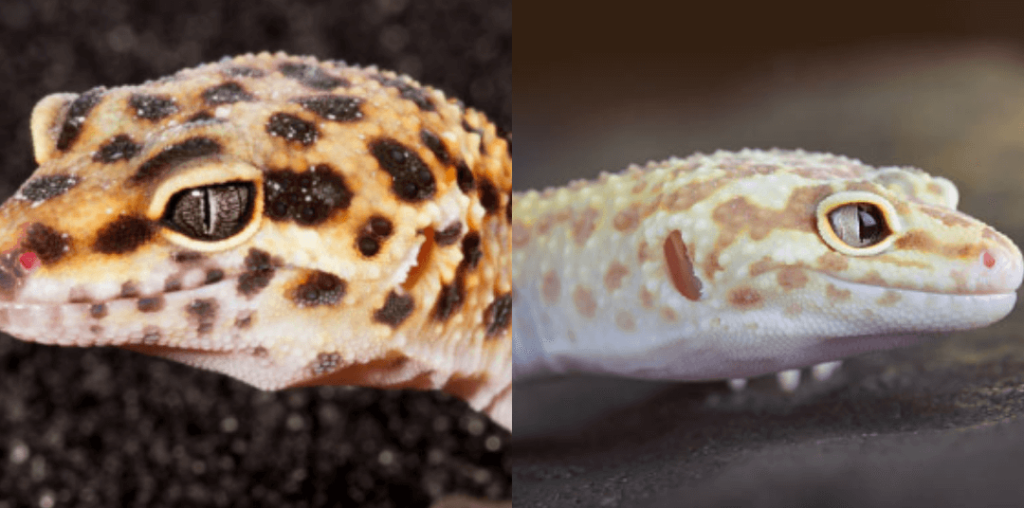
Recently, I captured a photo of my gecko looking her bright and normal self with very dark spots, which turned dusty and showcased slightly more pale dots just a few days before the actual shedding event. You have to look closely to notice these subtle changes.
Then, a few hours before the shed begins, the skin turns very white, a natural preparatory phase for the renewal process. This cycle is crucial for their health, allowing them to discard old skin and maintain good condition as they grow.
What Happens When My Gecko Turns White?
When your Leopard gecko begins to turn white and appears pale, it’s often a signal of the shedding process, where the outer layer of skin is replaced by a new layer beneath. This transformation, typically occurring every 1-2 months, is a normal part of their growth cycle. During this time, you might notice your gecko tuning to a dull colour and choosing to hide away more than usual in its moist hide, which is essential for an easy and healthy shed.
The moist hide not only provides a perfect environment to facilitate this process but also helps to prevent any pieces of skin from getting stuck, especially around sensitive areas like the toes. If the shed does become stuck, your gecko might need a little help. They often tear the skin away from the body themselves, or they might use a rough item, such as cork bark, to aid in removing the shed.
Note: Interestingly, Leopard geckos often eat the skin they shed, meaning it’s unlikely you’ll find any left behind. The visibility of this process can vary; some geckos are quite secretive when shedding, while others are more visible. Thus, you may or may not witness the process happening.
Gecko turning pale? 4 reasons
We discuss 4 main reasons here why Leopards Gecko turn white and look Plale.
They eat their shed
When your Leopard gecko begins to turn white or pale, this color change is typically a sign that a shed is imminent. As the process unfolds, the gecko will pull the old skin from its body and eat the shed, a behavior you may not know about due to their secretive nature.
After the shed, the colour of the gecko transforms from dull to a lovely bright colour, signaling that the cycle is complete. It’s important to check the toes, head, eyes, and tail to ensure that all pieces of the shed have come away cleanly.
During this period, they typically seek the privacy and safety of their hides, often opting for the moist hide. This instinctual behavior means they do not need your help and you should not pull at any remaining skin—they are perfectly equipped to handle this on their own. Observing these details can help you better understand and care for your gecko during its shedding period.
Related Post: CAN LEOPARD GECKOS EAT FRUIT
Poor humidity level
A poor humidity level in your leopard gecko’s tank can significantly affect the colour of its skin, making it appear white or pale. It’s crucial to check the humidity level regularly to ensure it’s high enough to be conducive to a good shed. The normal humidity level for a healthy leopard gecko environment should be between 40-50%, but during shedding, this should be increased to 60-80% to create the best possible shedding environment.
Ensuring the enclosure is humid enough, perhaps with a quick spray of water, and keeping the moist hide suitably damp are the best things you can do to aid this process. This will keep their skin supple and easy to pull off. Insufficient moisture is often the main cause of shedding problems, so maintaining proper humidity can prevent these issues and keep your gecko looking vibrant and healthy.
Also Read: DO LEOPARD GECKOS NEED BATHS
Lack of Good Meal
A common reason your leopard gecko might be turning white and looking pale could be tied to a lack of a good balanced meal.
Ensuring your gecko consumes a whole day’s worth of nutrients, including a good quantity of multivitamins, calcium, and D3, alongside exposure to 5% UVB light, is crucial. The size of the food given should be no bigger than the space between their eyes to avoid intimidation; for instance, a large crix can appear quite scary to a little Leo.
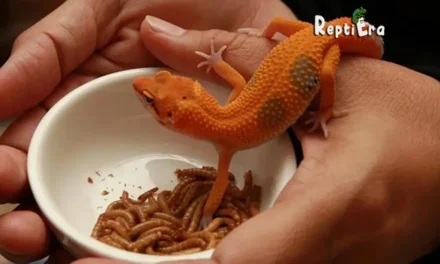
Typically, Leo’s will eat at least 5 or more if they are able to, and sometimes it’s beneficial to give Leo’s Waxworm. However, be cautious not to give many crix as they can lead to your gecko becoming overweight, resulting in a fatty shape where they don’t walk comfortably in their tank.
Shedding period
Understanding the shedding process in Geckos is key to recognizing why your leopard gecko might appear white and pale. As babies, Geckos will shed every week, transitioning to every three weeks as adults. This frequency ensures their skin remains healthy and responsive to their growth needs.
However, some Geckos may take as long as 2 months to complete a shed, similar to how some lizards, a broader type of reptiles, handle this process. It’s not uncommon for a lizard to go pale over a week, shed a little, then wait a week before they shed again.
Monitoring these phases helps in maintaining the proper environment, preventing any prolonged pale appearances that might indicate health issues.
Related Post: WHY IS MY LEOPARD GECKO NOT SHEDDING
What Problems Might There Be?
Dry Shed
When your Leopard Gecko experiences a dry shed, where the old skin does not come away easily, it can lead to the animal appearing unusually pale or even white.
In such cases, you can gently remove the stuck shed with a wet cotton bud or soak the gecko in shallow water under supervised conditions to help loosen the skin. It’s important to observe the gecko for 24 hours to see if the shed naturally comes away. If the problem persists, it may be necessary to check your leopard gecko setup to ensure there is a more humid area, which will help them shed next time.
For a persistent stuck shed, seeking advice from a Vet is recommended to avoid complications. This approach not only resolves the immediate issue but also helps in preventing future occurrences by optimizing the enclosure conditions.
Indigestion
When your Leopard Gecko appears pale and is not eating properly, it’s crucial to check if indigestion might be the issue. Indigestion in geckos can often make them seem as if they are wrapped in tissue paper, indicating a deeper health issue.
Tip: A common remedy involves ensuring their heat mat is left on 24/7; geckos need the heat to warm their belly and digest their food effectively. If your Leo is in a shedding phase, it’s normal for them to temporarily go off their food. However, maintaining a consistent heat source should help up their food intake.
Leaving the heat mat on always provides the consistent warmth that aids their digestion and overall health, especially when they are about to shed.
Improper Bounding
Ensuring Leo’s have access to 3 separate hides within their Tank is essential for their well-being. These hides, including one positioned over the heat mat for warmth, one at the cool end, and one for moisture, allow them to regulate their body temperature effectively.
Without enough hides, stress can overwhelm them, causing them to become shy and distressed. They need to choose and use their hiding spots freely, as it helps them regulate their temperature and feel secure in their environment.
Related Post: HOW TO BOND WITH YOUR LEOPARD GECKO
FAQs: Why Is My Leopard Gecko Turning White And Looking Pale?
Will My Leopard Gecko Turn White Again?
Your gecko will experience shedding weekly as a juvenile and every three weeks once it matures. Prepare to capture some beautiful pictures after each shedding, when your Leopard Gecko appears at its sharpest!”
What does it mean when a gecko changes color?
There are various reasons for this, typically occurring when they are misted, hunting, or experiencing stress. A dull or gray hue may also suggest that the animal is preparing to shed. Do not be alarmed if you do not witness the shedding process.
How do I know if my leopard gecko is unhealthy?
Signs to watch for are regurgitation or vomiting, weight loss or poor condition (notably, geckos’ tails may slim down if they harbor parasites, as it’s a primary fat storage site), reduced appetite, and fatigue. A qualified reptile veterinarian can likely recommend a deworming treatment or other medications to eradicate these parasites
Why is my gecko’s tail turning white?
It is quite typical to observe a lighter hue on GDG tails when they have either 1) regenerated tissue or 2) suffered an injury
What do sick leopard geckos look like?
Regrettably, this remains a frequent condition among leopard geckos that are fed crickets and mealworms. Clinical symptoms include retained shed, lack of appetite, fatigue, reluctance to move, deformed limbs, soft jawbones, curvature of the spine, and difficulty in lifting the body from the ground.
How do you fix calcium deficiency in geckos?
Enhancing calcium intake along with vitamin D3 and UVB lighting can ameliorate mild cases. If you are utilizing UVB lighting, the Miner-ALL Outdoor formula is advisable. In the absence of UVB, the Miner-ALL Indoor formula is more appropriate
Conclusion
Leopard geckos turning white and appearing pale is generally a natural indication of the shedding process, a crucial part of their growth cycle where they shed their old skin to reveal a new, vibrant layer underneath. This typically occurs every few weeks, depending on the age of the gecko. However, other factors such as poor humidity levels, inadequate diet, and health issues like indigestion or a calcium deficiency can also cause a pale appearance.
Ensuring proper tank conditions, such as maintaining humidity levels between 60-80% during shedding periods and providing a nutritious diet with adequate calcium and vitamin D3, are essential for the health and well-being of leopard geckos. If a gecko continues to look unusually pale and experiences problems like a dry shed or shows signs of discomfort and illness, it is advisable to consult a veterinarian to address any potential underlying health issues.