![Things Reptile Owners Hate Hearing [Shocking]](https://reptiera.com/wp-content/uploads/2026/06/ChatGPT-Image-Jun-14-2026-12_50_49-AM-1280x640.jpg)
Reptile owners keepers are normal people who simply prefer scales, lizards, snakes, and other exotic pets over common pets like cats or dogs. Many also love dogs, cats, birds, or fish, but they enjoy the unique world of reptile care.
Respect Reptile Owners
Calling someone “weird,” saying “ew,” or reacting with disgust toward their pet is rude. Just like people respect a dog owner or cat lover, they should also respect a reptile enthusiast. A lizard, snake, or other pet reptile may look unusual to some people, but it can still be loved and cared for deeply.
Reptiles Can Build Trust
Some people ask, “How can you love a pet that gives nothing back?” This is unfair. Reptiles may not show affection like dogs or cats, but many can recognize regular care, feeding, handling, and safety. Over time, a bond of trust, routine, and comfort can develop between a reptile keeper and their animal.
Reptile Care Is Not Easy
Another common myth is that reptiles are low-maintenance because they only eat once a month. In reality, reptile keeping requires proper feeding schedules, temperature control, heating, lighting, humidity, enclosure setup, and access to an exotic vet. Some species eat daily, while others eat less often, depending on their needs.
In simple words, do not judge reptile people or their pets. Respect their passion, ask polite questions, and remember that reptile ownership takes knowledge, patience, and real care.
What are common myths about reptile keepers and reptiles?
Reptile keeping is often misunderstood. Many reptiles need less daily attention than dogs or cats, which is why some owners can manage a reptile collection. However, that does not mean they require no care. They still need proper feeding, housing, temperature, humidity, and safe handling.
Reptiles and Family Safety
Some people ask, “What will you do with your snakes when you have kids?” The answer is simple: responsible owners keep their pets safely, just like dog owners do. Any animal with teeth needs respect, supervision, and proper boundaries.
Snakes Do Not Eat Everything
A common myth is that a snake will grow up and eat a child, dog, or cat. In reality, snakes cannot eat anything they want. Their jaws, body size, and digestive system have limits. Large species like Burmese pythons and reticulated pythons need extra care, secure enclosures, proper feeding, and supervision around small children or small pets.
Snakes Are Not Slimy
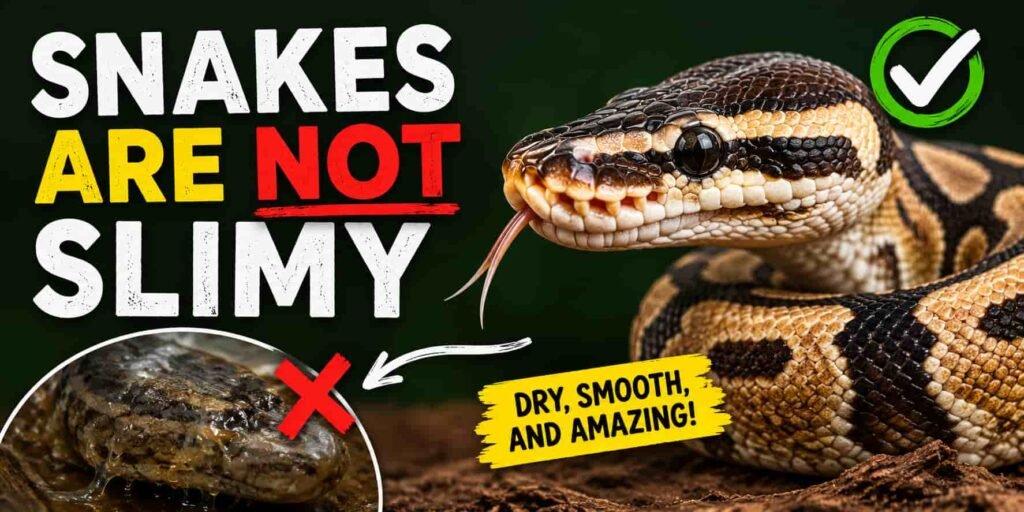
Many people think snakes feel slimy, but this is incorrect. Amphibians like frogs, salamanders, and newts can feel moist. Reptiles, including snakes, are usually dry, smooth, and sometimes cool to the touch. Their skin can feel similar to soft leather.
Turtles Are Reptiles
Turtles are not amphibians. They are reptiles because they have scales, breathe air with lungs, and do not have gills like fish. In simple words, turtles belong with reptiles, not amphibians.
What are common mistakes people make when talking about reptiles?
Reptiles are often confused with other animals, especially amphibians and fish. However, the difference is simple: amphibians usually have soft, moist skin, while fish breathe through gills. Reptiles, such as turtles, tortoises, lizards, and snakes, have dry skin or scales and breathe air with lungs.
Turtles and Tortoises Are Different
Turtles usually live in or near water, while tortoises mainly live on land. Both are reptiles, but they should not be mixed up because their habitat, body structure, and care needs are different.
Not Every Lizard Is an Iguana
Many people call every lizard an iguana, especially when they see a bearded dragon or another pet lizard. This is a common mistake because iguanas are well-known. However, iguanas are usually larger, often green, red, or blue, and may have a spiky crest along their back. Bearded dragons, Chinese water dragons, and other lizard species have their own features and should be identified correctly.
Read Also: Snake Bites, Strikes & Constricting — Oh My! [Danger]Reptiles Are Valuable Pets
Saying, “If it dies, you can just get another,” is hurtful and disrespectful. A pet reptile is still a living animal. Many reptile keepers care deeply for their pets, just as people care for a dog, cat, bird, or fish. Every animal deserves respect, proper care, and kindness.
Salmonella Risk Can Be Managed
Some people worry about salmonella from reptiles. Good hygiene helps reduce this risk. Washing hands after handling reptiles, cleaning enclosures safely, and keeping reptiles away from food areas are important habits. With responsible care, reptile ownership can be safe and healthy.a higher concentration of salmonella bacteria. When was the last time you ate raw cookie dough/cake batter/brownie batter? Have you disinfected your kitchen with bleach lately?
What should you say to reptile keepers?
Talking to reptile keepers becomes easier when you show respect, curiosity, and kindness. You do not need to love snakes, lizards, turtles, or other pet reptiles to have a polite conversation.
Respect Their Hobby
It is okay to say, “I could never keep a reptile, but I think it is interesting that you enjoy them.” This shows respect for their reptile keeping hobby without pretending to share the same interest.
Ask Honest Questions
A good question is, “I do not know much about reptiles. What is it like to care for them?” Most reptile owners are happy to explain feeding, handling, enclosure setup, heating, lighting, humidity, and daily care routines.
Handle Reptiles Safely
If you want to hold a reptile, ask politely first. A responsible keeper can show you the correct way to handle the animal safely. After touching any snake, lizard, or turtle, washing your hands is important for good hygiene.
Learn Before Judging
You can also ask, “What is a good starter reptile?” or “Are the common stories about snakes true?” These questions show that you want to understand instead of believing reptile myths or misinformation.
In simple words, respectful questions make reptile keepers feel understood and give you a chance to learn more about reptile care, safe handling, and exotic pets.
Final Thoughts
Reptile keepers deserve the same respect as any other pet owner. Their pets may have scales, unique habits, and different care needs, but they are still living animals that require love, patience, and responsibility.
Instead of judging snakes, lizards, turtles, or other exotic pets, it is better to ask polite questions and learn the truth. Many common ideas about reptiles come from myths, fear, or misinformation.
In the end, reptile ownership is about trust, safe handling, proper care, hygiene, and respect for animals. You do not have to own a reptile to appreciate the people who care for them.
FAQs: Things Reptile Owners Hate Hearing [Shocking]
What do reptiles dislike?
Reptiles usually dislike strong smells, sudden temperature changes, loud movements, and being held too tightly. Because they depend on their sense of smell, body temperature, habitat conditions, and survival instincts, these things can make them feel stressed, threatened, or unsafe.
Do reptiles have bad hearing?
Reptiles do not all have poor hearing. Crocodiles and many lizards can hear fairly well, while snakes and turtles mostly detect low-frequency vibrations through the ground. So, reptiles may not hear airborne sounds like humans, but they can sense sound waves, movement, and environmental vibrations in their own way.
What sounds do lizards hate?
Lizards may feel disturbed by loud noises, sudden vibrations, and some high-frequency sounds. However, ultrasonic lizard repellents are not always proven to work. Most lizards react more to movement, ground vibrations, stress signals, and changes in their environment than to ordinary human sounds.
What 7 scents do snakes hate?
Snakes may avoid strong scents such as garlic, cinnamon, clove, citrus, vinegar, onion, and ammonia-like odors because these smells can disturb their sensory system. However, scents are not a guaranteed snake repellent. The best prevention is to keep areas clean, remove hiding spots, control rodents, and reduce food sources.
Can reptiles cry?
Yes, reptiles can produce tears, but they do not cry from sadness or emotion like humans. Their tears help keep the eyes moist, remove dust or debris, protect the eye surface, and in some species, release extra salt from the body.
![Snake Bites, Strikes & Constricting — Oh My! [Danger]](https://reptiera.com/wp-content/uploads/2026/06/ChatGPT-Image-Jun-14-2026-12_24_10-AM-1-440x264.jpg)