![Ultimate Bearded Dragon Care Guide [Expert Tips]](https://reptiera.com/wp-content/uploads/2026/06/ChatGPT-Image-Jun-13-2026-11_47_24-PM-1280x640.jpg)
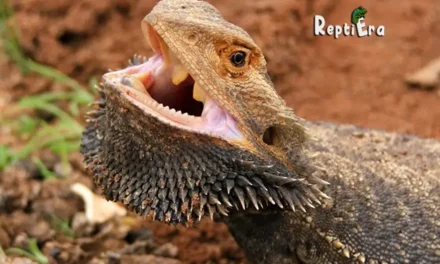
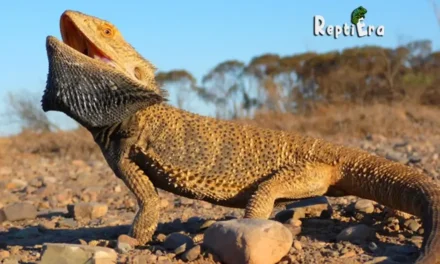
Bearded dragons, also called central bearded dragon, inland bearded dragons, or yellow-headed bearded dragons, are agamid lizards from central and eastern Australia. In the wild, they live in dry forests, scrublands, and semi-arid desert habitats. Their name comes from the spiky skin under their throat, which can expand and turn dark, making it look like a beard.
Natural Behavior and Daily Activity
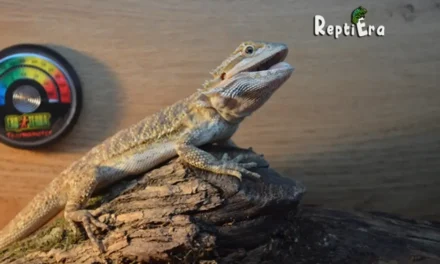
These reptiles are diurnal lizards, which means they are active during the day. They enjoy basking in the sun on rocks, branches, fences, and other warm surfaces. Although they spend much of their time on the ground, they are also good climbers and natural burrowers. They dig burrows to stay safe from predators, heat, and harsh weather.
Diet, Size, and Lifespan
Bearded dragons are omnivores, so they eat both plants and insects. Their natural diet includes leafy vegetation, small insects, and sometimes tiny animals such as small lizards or rodents. Most adults grow around 18 to 24 inches long and usually live 10 to 15 years with proper care. Some may live 20 years or more in excellent conditions.
Special Survival Features
Bearded dragons have several useful adaptations. They use a sticky tongue to catch insect prey, a parietal eye on top of the head to sense danger, and spiky scales for protection. They can also darken their body color to absorb more heat and inflate their body when needed, including when floating in water.
Bearded Dragon Colors and Morphs
In the wild, bearded dragons usually have a dull brown, tan, or sandy body color with light red, gold, or earthy markings. Their natural color often matches the soil and habitat around them. Today, selective captive breeding has created many beautiful color morphs, including white, lemon yellow, orange, and dark red bearded dragons. Some breeders also produce dragons with bright blue tiger bars.
Modern breeding has also created different scale types. Dunner bearded dragons have scales that grow in different directions. Leatherback bearded dragons have smaller, smoother scales. Silkback bearded dragons have little to no scales, so they need extra care because their skin is more sensitive.
Why Bearded Dragons Make Popular Pets
Bearded dragons, often called beardies, are among the most popular pet lizards in the world. They are known for their calm nature, curious personality, and friendly behavior. Many owners choose them as a first reptile pet because they are usually easier to handle than many other lizards.
These reptiles have full-color vision and a strong sense of smell, which helps them recognize people, food, and their surroundings. Some owners believe their bearded dragons can even respond to familiar voices or names.
Adoption Before Buying
If you want a bearded dragon as a pet, adoption is a smart and kind choice. Many healthy and friendly bearded dragons are available through reptile rescues, local groups, and classified listings. These animals often need a safe, permanent home.
Adopting a beardie can also reduce the demand for overbreeding. Since many bearded dragons are already looking for homes, adoption helps prevent more unwanted reptiles from entering the pet trade. It may also cost less than buying one from a pet store.
Important Health and Safety Note
Like all reptiles, bearded dragons can carry Salmonella bacteria, even when they look healthy. Salmonella is a zoonotic disease, which means it can pass from animals to humans. Always wash your hands before and after handling your bearded dragon, cleaning its enclosure, touching food bowls, or handling any cage items.
Best Tank Size for Bearded Dragons
A young bearded dragon should be kept in a tank that is at least 20 gallons. As the lizard grows, the enclosure size should also increase. Every bearded dragon habitat should have a secure screen lid to allow good ventilation and prevent escape.
With proper care, diet, and nutrition, most bearded dragons become adults within about one year. One adult bearded dragon should live in a spacious terrarium of at least 40 gallons. A larger reptile enclosure is always better because it gives the dragon more room to move, explore, and exercise.
Safe Habitat Setup and Housing Rules
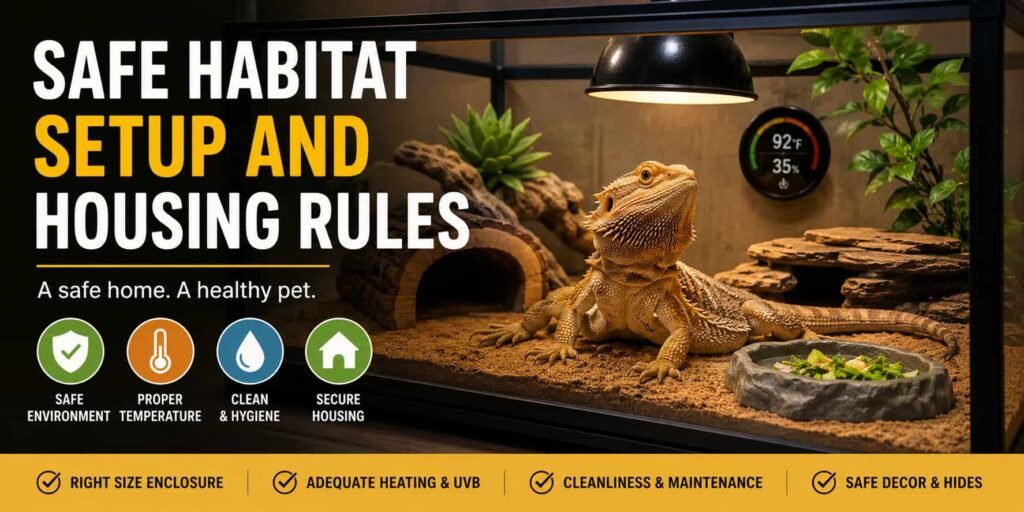
A male bearded dragon should always be housed alone. Keeping two males in the same tank setup can cause stress, fighting, and territorial aggression. More than one female may sometimes live together, but they must be watched carefully at first to make sure they are compatible.
If male and female bearded dragons are kept together, they may breed. Female dragons should not be housed with males until they are at least two years old, because younger females may have problems laying eggs. Different reptile species should never be kept in the same enclosure.
Correct Bearded Dragon Temperature
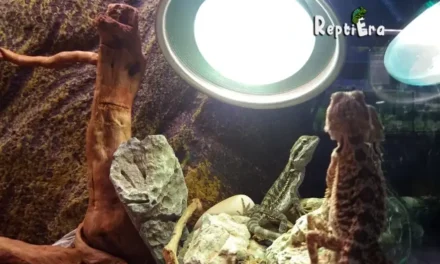
Bearded dragons need a proper temperature gradient inside their tank. This means one side of the habitat should be warm, while the other side should be cooler. The warm side should be around 100°F, and the cool side should be around 75°F. This setup helps the dragon control its body temperature naturally.
How to Monitor Tank Temperature
Check the bearded dragon tank temperature every day. Place one thermometer on the warm side and another on the cool side so both areas can be checked easily. A digital infrared thermometer or point-and-shoot thermometer can also help you measure the habitat temperature quickly and accurately.
Proper Lighting for Bearded Dragons
Bearded dragons are ectothermic reptiles, which means they need outside heat sources to control their body temperature. A heat lamp, incandescent bulb, or ceramic heat emitter should be placed on one side of the bearded dragon tank to create a warm basking area during the day.
The correct bulb strength depends on the tank size, room temperature, distance from the basking spot, and the overall enclosure setup. Adjust the heat bulb wattage as needed to keep a safe temperature gradient inside the habitat.
UVB Light and Calcium Support
Along with heat, bearded dragons need strong UVB lighting. UVB light helps them make vitamin D3, which allows their body to absorb calcium properly. Without enough UVB exposure, they may develop weak bones and other health problems.
Use a good full-spectrum reptile UVB bulb and provide around 10 to 12 hours of UVB light each day. Always follow the bulb manufacturer’s instructions for safe placement and distance. Replace UVB bulbs about every six months, because their strength becomes weaker over time, even if the light still looks bright.
Ideal Humidity for a Bearded Dragon Habitat
Although bearded dragons come from dry parts of Australia, they still need some humidity to keep their skin, lungs, and shedding process healthy. The best humidity range for a bearded dragon enclosure is usually 30% to 50%.
If the tank humidity is too low, your dragon may have trouble shedding its skin. You can raise humidity by lightly misting the enclosure, misting safe tank decorations, or adding non-toxic live plants.
How to Control and Check Humidity
If the habitat becomes too humid, improve ventilation so moist air can escape. A secure screen lid and good airflow can help keep humidity balanced. Use a hygrometer every day to check the enclosure humidity and make sure the habitat stays within a healthy range.
Safe Substrate for Bearded Dragons
Choosing the right bearded dragon substrate is important for safety and hygiene. The bottom of the enclosure can be covered with reptile carpet, paper-based bedding, or another safe liner. Avoid gravel, wood chips, and walnut shells because these materials cannot be digested if swallowed.
Loose bedding, such as sand, may also be risky. If a bearded dragon accidentally eats loose substrate, it can cause gastrointestinal blockage or impaction. If loose substrate is used, always feed the dragon from a shallow food dish or a separate feeding tank to reduce the chance of swallowing bedding.
Food Bowls and Feeding Safety

Food should not be placed directly on the tank floor. A shallow feeding dish helps keep food clean and lowers the risk of substrate ingestion. Special worm dishes and cricket feeders can also help keep live insects in one place during feeding.
Hides for Comfort and Security
A healthy bearded dragon habitat should include at least two hideouts: one on the warm side and one on the cool side of the tank. These hiding areas give the dragon privacy, safety, and a place to rest away from direct basking light.
Watch your dragon’s behavior. If it hides all day, it may not get enough UVB exposure, which is important for calcium absorption, bone health, and normal activity.
Climbing Branches and Basking Surfaces
Add a strong basking rock or sturdy climbing branch so your bearded dragon can climb, rest, and warm up during the day. Any branch or rock should be large, stable, and strong enough to support the dragon’s body. Unstable décor can fall and cause injury.
Humidity Hide and Moss Use
Moist sphagnum moss can be placed inside a hide box on the warm side of the enclosure to create a humidity hide. This can support healthy shedding by keeping the skin slightly moist. Replace moss often to prevent mold growth and keep the habitat clean.
Safe Plants for Enrichment
Adding non-toxic live plants can improve the tank environment, support natural behavior, and help increase humidity levels. Plants also make the enclosure more enriching and comfortable for a bearded dragon.
Daily Cleaning and Habitat Care
A bearded dragon habitat should be cleaned every day to keep it safe and healthy. Remove waste, dirty bedding, leftover food, and any spoiled vegetables or insects. Wash the food bowl and water bowl daily to help prevent bacteria, bad smells, and contamination.
The full reptile enclosure should be deep-cleaned and disinfected at least once a week. If more than one bearded dragon lives in the same habitat, cleaning may need to be done more often.
Safe Handling and Hygiene
Always wash your hands before and after touching a bearded dragon, its food, water dishes, or tank items. Like other reptiles, bearded dragons can carry infectious bacteria, including Salmonella, even when they look healthy.
Important Supplements for Bearded Dragons
A healthy bearded dragon diet usually needs three main reptile supplements: calcium with vitamin D3, calcium without vitamin D3, and a reptile multivitamin powder.
Calcium should be given on alternating days. For example, use calcium powder with vitamin D3 one day and plain calcium powder the next day. A multivitamin supplement can be used once a week.
How to Dust Live Insects
Before feeding, coat live insects with the correct powdered supplement. Place the insects in a small bag or disposable container, add the supplement powder, and shake gently until the insects are lightly covered. This helps your dragon get enough calcium, vitamins, and minerals.
Water and Adult Diet Needs
Fresh, clean drinking water should always be available and replaced every day. Use a wide, shallow water dish so the lizard can drink or soak if needed.
Adult bearded dragons need less protein and fat than younger dragons. A balanced adult bearded dragon diet should include about 70–80% vegetables and fruits and 20–30% live insects. Quality bearded dragon pellets may also be used as a small part of the diet, but they should not replace fresh food.
Foods Bearded Dragons Should Avoid
Never feed fireflies, onions, or mushrooms to a bearded dragon because they can be toxic and may cause serious illness or death. Also avoid high-oxalate foods such as avocado, beet greens, spinach, and rhubarb, because they can reduce calcium absorption and affect bone health.
Gut-Loading Feeder Insects
Live insects should be gut-loaded before feeding. This means feeding the insects a nutrient-rich diet before offering them to your dragon. Gut-loaded insects provide better nutrition, including extra vitamins, minerals, and healthy nutrients for your bearded dragon..
Basic Bearded Dragon Care
Good bearded dragon care includes proper shedding support, safe nail care, and regular veterinary checkups. A clean habitat, balanced humidity, correct lighting, and a healthy diet all help keep your dragon active and comfortable.
Healthy Shedding Support
Bearded dragons shed their skin as they grow. To support a smooth shedding cycle, keep the habitat humidity between 30% and 50%. This helps prevent dry, stuck skin.
A warm, shallow soak can also help during shedding. Use a wide container with warm water, deep enough for the dragon’s body but shallow enough to keep its head safely above water.
Safe Nail Care
Most bearded dragons naturally wear down their nails by climbing, walking, and moving around their enclosure. However, dragons handled often may sometimes need a light nail trim.
If the nails look too long, broken, or damaged, ask a reptile veterinarian for help. Avoid cutting nails too short, as this can hurt the dragon and cause bleeding.
Annual Health Checkups
A bearded dragon should visit a veterinarian at least once a year. Use a secure travel cage or cat carrier for transport. It is helpful to bring photos of the enclosure, diet, heat lamps, UVB lighting, and tank setup so the vet can review the dragon’s care.
Also bring a fresh fecal sample, unless your vet prefers to collect one during the visit. This can help check for parasites and other health concerns.
Final Thoughts
Bearded dragons are friendly, intelligent, and rewarding reptile pets when given proper care. A suitable habitat, balanced nutrition, correct UVB lighting, proper temperature control, and regular health monitoring are essential for their well-being. By understanding their natural behaviors and meeting their daily needs, you can help your bearded dragon live a healthy, active, and long life. With consistent care and attention, these fascinating lizards can become wonderful companions for many years.
FAQs: Ultimate Bearded Dragon Care Guide [Expert Tips]
How to make sure your bearded dragon is 100% healthy?
To keep your bearded dragon healthy, feed it the right diet for its age. Baby dragons need food twice daily with finely chopped greens. Juveniles and adults should eat once daily. Older dragons over 30 cm need about 40% live food and 60% greens. Feed in the morning so they can digest properly during the day.
What are the do’s and don’ts for a bearded dragon?
Do handle your bearded dragon gently and calmly. Slowly place your hand inside the terrarium, support its body, and let it climb onto your hand or arm. Do not grab it around the belly or pull it quickly from its habitat, as this can cause stress or injury.
Can beardies eat scrambled eggs?
Yes, bearded dragons can eat scrambled eggs, but only as an occasional treat. The egg should be fully cooked and plain, with no milk, butter, oil, salt, pepper, or seasoning. Offer only a small amount, about half an egg, no more than once a month.
Can a bearded dragon go 2 days without eating?
Yes, a healthy adult bearded dragon can usually go 2 days without eating. It may skip food because of stress, environmental changes, low tank temperature, or brumation. However, fresh water should always be available.
How do bearded dragons say hello?
Bearded dragons often wave one front arm as a form of communication. This gentle waving behavior can show submission, recognition, or a calm greeting toward another dragon or their owner.